Freezing Nerves to Relieve Mesothelioma Pain: What New Research Reveals
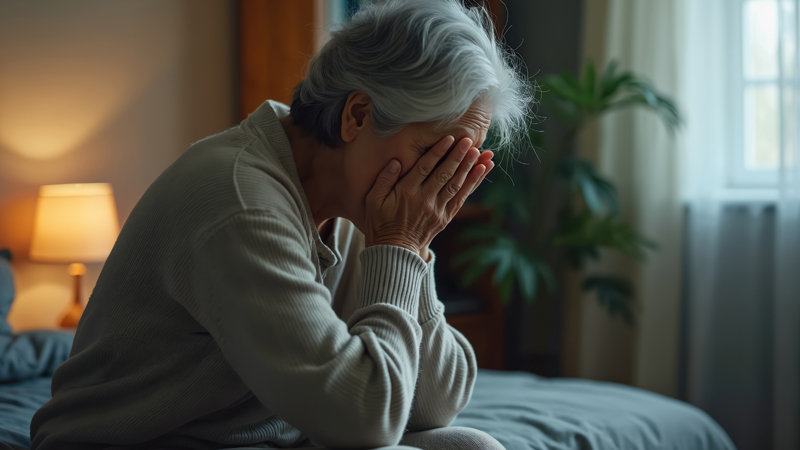
Pain is one of the most difficult parts of living with pleural mesothelioma. For many patients, discomfort may come from the cancer itself, fluid buildup around the lungs, invasive procedures, or major surgery. Caregivers often struggle alongside their loved ones, trying to balance pain relief with concerns about medication side effects, fatigue, and quality of life.
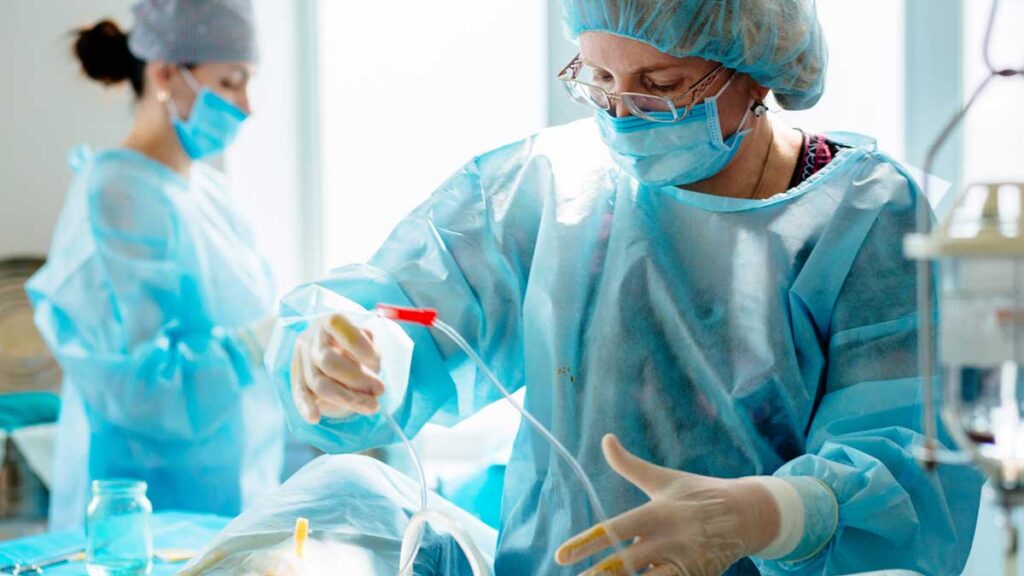
A recently published study by thoracic surgeon Jeffrey B. Velotta and colleagues explored a promising approach that may help reduce the need for opioid pain medication after mesothelioma surgery. The findings offer cautious optimism for patients preparing for surgery and for families hoping for safer, more manageable pain control options.
You can learn more about Dr. Velotta and his work in mesothelioma care in this article.
Pain Management and Mesothelioma
Table of Contents
Pleural mesothelioma affects the lining around the lungs, known as the pleura. As the disease progresses, it can cause chest pain, pressure, shortness of breath, coughing, and fatigue. For patients undergoing surgery, especially procedures like a pleurectomy decortication (lung sparing surgery best known as PD) or an extrapleural pneumonectomy (lung removal surgery known as EPP), postoperative pain can be significant.
Doctors often rely on opioid medications such as oxycodone or hydromorphone to manage pain after surgery. While these medications can be effective, they may also lead to serious side effects, including:
- Drowsiness
- Constipation
- Nausea
- Confusion
- Breathing problems
- Risk of dependence
For mesothelioma patients who are already coping with breathing difficulties and weakness, minimizing these side effects can make a major difference in recovery and daily life.
That is why researchers have increasingly focused on “opioid-sparing” strategies that aim to reduce the amount of narcotic medication patients need after surgery.
What Is Intercostal Nerve Cryoablation?
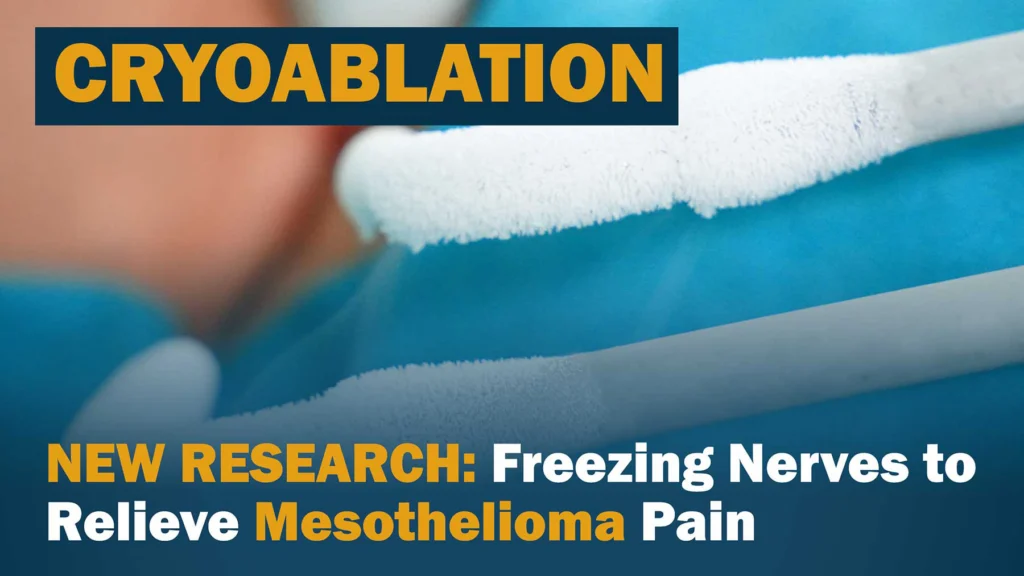
The new study examined a treatment called intercostal nerve cryoablation. Although the name sounds complicated, the concept is relatively straightforward.
During surgery, doctors temporarily freeze certain nerves between the ribs using a specialized probe. These nerves typically carry pain signals from the chest wall to the brain. By interrupting those signals, cryoablation may reduce pain after surgery.
The freezing is temporary. The nerves gradually recover over time.
In the study, surgeons applied the freezing treatment to nerves between the fourth and eighth ribs during pleurectomy decortication surgery for pleural mesothelioma. Researchers hoped this would help patients recover with less pain and, subsequently, less reliance on opioids.
Study Results
The research followed 64 pleural mesothelioma patients who underwent surgery between 2015 and 2024. Twenty-two patients received cryoablation during surgery, while 42 did not.
The results were encouraging:
- Patients who received cryoablation used fewer opioid medications after surgery.
- Nearly twice as many cryoablation patients needed no opioid medication at all during their hospital stay.
- Pain scores remained similar between both groups, suggesting patients were not experiencing more discomfort despite using fewer opioids.
- Researchers did not observe increased complications or dangerous nerve-related side effects from the procedure.
The reduction in opioid use was significant. Patients receiving cryoablation used about 40% fewer opioid medications overall compared to those who did not receive the treatment.
While the study was relatively small and researchers noted that more investigation is needed, the findings suggest cryoablation may become an important tool in mesothelioma pain management.
For patients and caregivers, these findings are encouraging because recovery after mesothelioma surgery can be physically and emotionally exhausting.
Less opioid use may potentially mean a better quality of life and shorter recovery time, and can include:
- Clearer thinking after surgery
- Fewer medication side effects
- Easier breathing and coughing
- Faster movement and rehabilitation
- Reduced risk of long-term opioid dependence
Mesothelioma surgery often requires patients to participate in breathing exercises, walking programs, and pulmonary rehabilitation shortly after their operation. Severe pain or heavy sedation from medications can make those tasks much harder.
Approaches like cryoablation may help patients stay more comfortable while remaining alert enough to participate in recovery activities.
The Emotional Side of Pain
Pain does not only affect the body, but chronic discomfort can also impact mood, sleep, anxiety, and relationships.
Caregivers often experience emotional stress as well, especially when they feel helpless watching a loved one suffer.
Patients should know that reporting pain is not “complaining.” Pain management is an important part of cancer care. Doctors want to understand when pain is interfering with breathing, movement, sleep, or quality of life.
Support groups, counseling, palliative care specialists, and social workers may also help patients and caregivers cope with the emotional burden of pain and recovery.
Pain Control is Different for Every Patient
It is important to remember that there is no single “best” pain management plan for every mesothelioma patient.
Pain levels can vary greatly depending on the location and stage of disease, the type of surgery performed, other medical conditions, and individual pain tolerance. But regardless, most patients still require multiple forms of pain control, especially immediately followed the surgery. To keep pain controlled, doctors often use a combination of:
- Epidurals or nerve blocks
- Acetaminophen (also known as Tylenol)
- Gabapentin
- Opioid medications
- Physical therapy
- Breathing exercises
- Supportive care
Cryoablation may eventually become one more option within this broader pain management strategy.
Questions Patients May Want to Ask Their Doctors
When considering mesothelioma surgery, patients may wish to ask their care team questions such as:
- What pain control methods will be used after surgery?
- Will I likely need opioid medications?
- Are nerve blocks or cryoablation available at this center?
- What side effects should I expect from pain medications?
- How long does recovery pain usually last?
- What can caregivers do to help manage pain at home?
Having these conversations early can help patients and families feel more prepared for recovery.
Looking Ahead
Research into mesothelioma treatment continues to evolve. While cryoablation is not yet considered standard treatment everywhere, studies like this one can help doctors better understand how to improve recovery and quality of life for mesothelioma patients.
For families facing mesothelioma, even small improvements in comfort and recovery can have a significant impact.
To read more about Dr. Velotta’s perspectives on mesothelioma treatment advances and ongoing controversies in care, listen to Joe Belluck’s interview with Dr. Jeffrey Velotta.
If you need help communicating with your doctor about pain management following mesothelioma treatment, contact our mesothelioma nurse expert.