A study into the experience of caregivers yields first findings
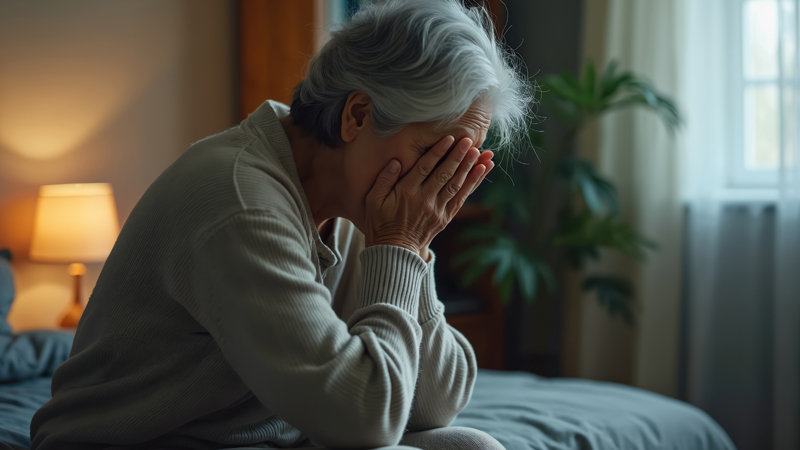
A study examining the experience of caregivers of mesothelioma patients is currently underway, and results from its first phase have been released.
The study Understanding the Mesothelioma Journey from Diagnosis through Bereavement, Innovation in Aging, Volume 9, Issue Supplement_2 was published on December 2025 in Innovation in Aging journal.
When discussing mesothelioma, research usually centers on the experience and treatment of mesothelioma patients. Caregivers and family members who shoulder an immense burden providing care and support after diagnosis are often overlooked.
That’s why this first of its kind study into the mesothelioma caregiver experience is worth keeping an eye on.
About the study
Table of Contents
This research explores the challenges for family members who care for someone with mesothelioma from diagnosis through treatment and beyond. Mesothelioma is a rare cancer caused by asbestos exposure and is known for its poor prognosis and complex emotional, physical, and practical challenges.
The authors interviewed caregivers about their experiences, including:
- The experience of their loved one receiving a diagnosis
- Treatment decisions and management of medical appointments, medications, etc.
- The day-to-day reality of providing care while keeping up with existing household/career needs
- Planning for end of life
- The period after the patient’s death
First results
Caregivers described caregiving as deeply challenging in many overlapping ways:
Emotional strain and uncertainty
Study participants discussed difficulty in not knowing what to expect after a diagnosis. Mesothelioma often progresses quickly, and caregivers said not having clear information made emotional preparation difficult.
Practical care demands
Caregivers were involved in decisions about treatment and end-of-life planning, and they also had to manage daily tasks that ranged from physical help to coordinating visits and appointments.
Psychological toll
Assuming caregiving responsibilities took a significant emotional toll. Caregivers described stress, anxiety, and the emotional impact of watching their loved one decline, as well as navigating legal, financial, and healthcare systems tied to mesothelioma’s causes.
Transition to bereavement
The study pointed out that caregivers’ experiences did not end at the patient’s death. Many participants felt unprepared for bereavement and reported a lack of support afterward. The transition from caregiver to bereaved family member was often difficult because families felt abruptly disconnected from the healthcare support system they had relied on.
Why focus exclusively on mesothelioma caregivers?
Mesothelioma is a unique malignancy in that it has a known cause: exposure to asbestos. The cancer often develops many decades after the exposure has occurred. Mesothelioma is very aggressive with a median survival of fewer than 12 months and a 5-year survival of around 10%. Once diagnosed, patients and families are faced with legal and financial implications. Although men are most frequently affected by mesothelioma, in recent years, researchers have seen a rise in diagnosis rates among women. While men’s exposure has historically been most often connected to their occupation, women tend to develop mesothelioma from environmental or second-hand exposures, meaning that often their spouse, father or another family member, brought fibers home on clothing, vehicle, or accessories. This fact then can result in feelings of guilt, anger, and feelings of injustice among mesothelioma caregivers.
Next steps
These early findings highlight how mesothelioma affects not only patients, but also the family members who care for them. The study underscores the need for greater recognition, resources, and long-term support tailored specifically to mesothelioma caregivers, including during bereavement. As research continues, centering caregiver experiences may help inform more comprehensive care models that address the full human impact of this devastating disease.

Related Posts


COVID-19 mRNA vaccine makes tumors respond better to immunotherapy
November 13, 2025
Experts, Patients, and Advocates Unite in Philadelphia to Advance Mesothelioma Research
November 3, 2025