




















How to find a mesothelioma specialist covered by your insurance
Table of Contents
Finding a mesothelioma specialist who is covered by your insurance can take some careful coordination between medical needs and plan limitations. Mesothelioma is a rare cancer, and the most experienced specialists are often concentrated in a small number of cancer centers. In some cases, the physician best suited for your specific type of mesothelioma may practice in a neighboring state or at a treatment center that is not immediately local.
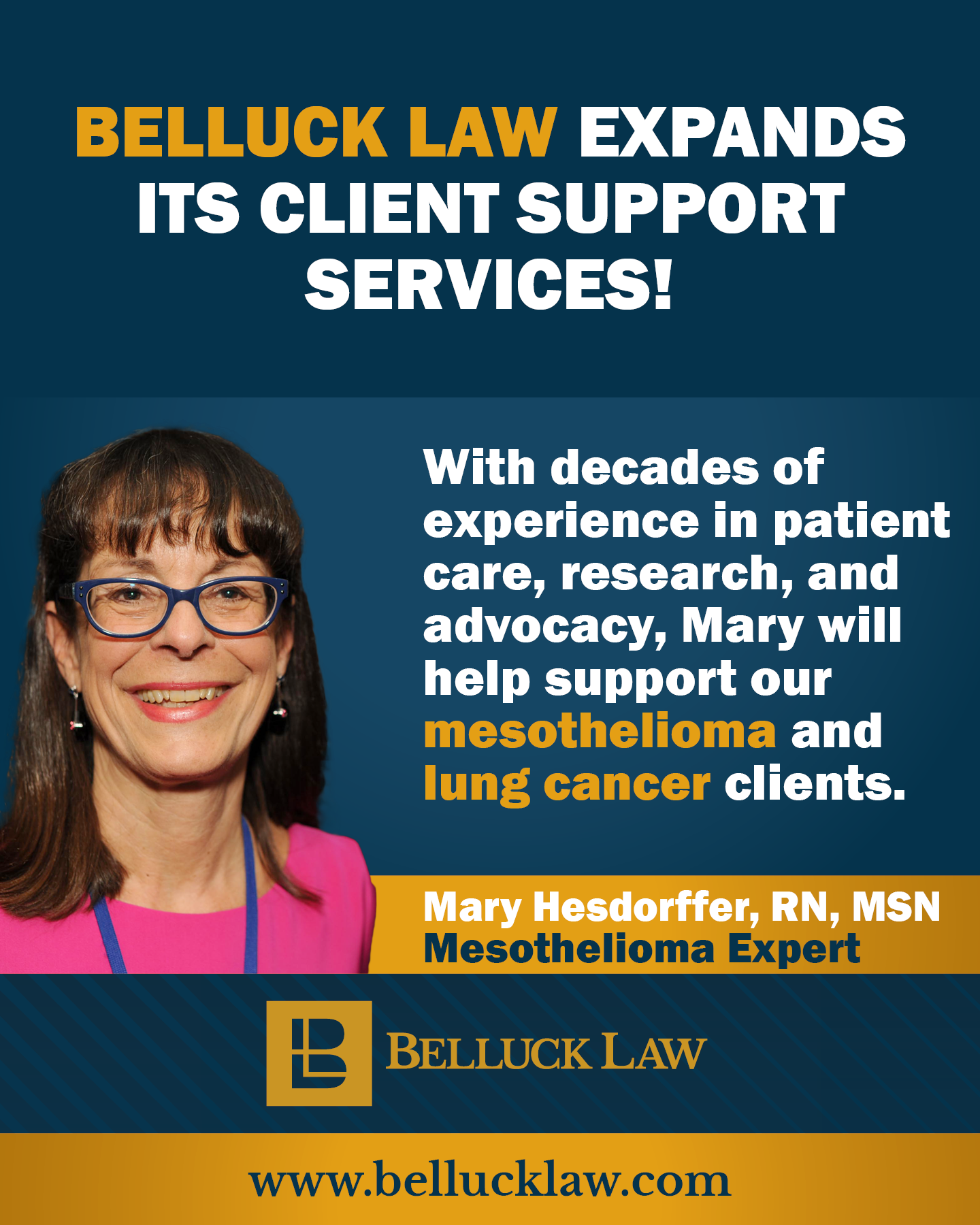
At the same time, insurance coverage can create additional challenges. Many plans have narrow in-network provider lists, referral requirements, or restrictions on out-of-state care, which may limit access to top specialists. Because of this, patients and families often need to work closely with both their oncology team and insurance provider to understand what is covered, request out-of-network approvals when necessary, and explore financial assistance options that may help bridge gaps in coverage for travel, consultations, and specialized treatment. Our nurse can help you navigate this process at no cost to you and provide you with options that work for you.
How pay for transportation and hotel when traveling to consult with a mesothelioma specialist
Traveling to see a mesothelioma specialist can add significant costs beyond medical treatment, especially when appointments are out of state. Expenses like flights, gas, hotels, and meals can quickly become overwhelming for families already dealing with a difficult diagnosis. Many major cancer centers and hospitals are aware of this burden and often work with nearby hotels or partner housing programs to provide discounted or reduced-cost lodging for patients and caregivers. These arrangements can make extended treatment visits or second opinions more manageable.
In addition to hospital-based support, there are also nonprofit organizations that offer financial assistance specifically for travel-related expenses. These groups may help cover transportation costs, hotel stays, or provide lodging grants for patients who need to travel long distances for specialized care. Exploring both hospital social work departments and nonprofit resources early in the process can help reduce out-of-pocket costs and ensure that travel does not become a barrier to accessing expert mesothelioma care. We can help connect you to these resources.
Cost-free or low-cost options for treatment
Depending on your specific diagnosis, stage of disease, and eligibility criteria, you may be able to access treatment through federally supported programs such as the National Institutes of Health (NIH) Clinical Center. In certain cases, care provided through NIH research protocols is offered at no direct cost to the patient, including evaluation, treatment, and participation in clinical studies. These programs are typically designed for complex or rare conditions, including mesothelioma, where access to advanced therapies and specialized expertise is essential.
Navigating these opportunities can be complicated, since eligibility depends on medical factors, prior treatments, and current clinical trial availability. That is where guidance can make a meaningful difference. Support services can help review your case, determine whether you may qualify for cost-free or low-cost treatment programs, and assist in coordinating referrals or applications. For many patients, understanding these options early can open doors to high-level care that might otherwise feel out of reach.
What to do when you can no longer work to support yourself and your family
When a mesothelioma diagnosis makes it impossible to continue working, the sudden loss of income can create immediate and long-term financial strain. Everyday expenses like rent or mortgage payments, utilities, groceries, and insurance do not pause, even as medical needs increase. For many families, this shift forces difficult decisions about savings, retirement funds, or relying on relatives for support, all while trying to focus on treatment and care.
In this situation, understanding available sources of financial support becomes especially important. Beyond insurance and limited assistance programs, some individuals explore legal options connected to asbestos exposure. These claims can potentially provide compensation for a range of losses tied to the inability to work, including lost wages, reduced future earning capacity, and ongoing household expenses. While every case is different, this form of financial recovery is designed to address the broader economic impact of the disease, not just medical bills.
Pursuing compensation through legal action can make a meaningful difference in maintaining stability during a very uncertain time. It may help cover essential living costs, support family needs, and reduce the pressure of depleting personal savings while undergoing treatment. For many families, it becomes one part of a broader financial strategy that allows them to focus more fully on care and less on immediate financial survival. Contact us to discuss your options.